 Image Credit: Cole Burston/The Canadian Press/AP
Case Study
Drake
Image Credit: Cole Burston/The Canadian Press/AP
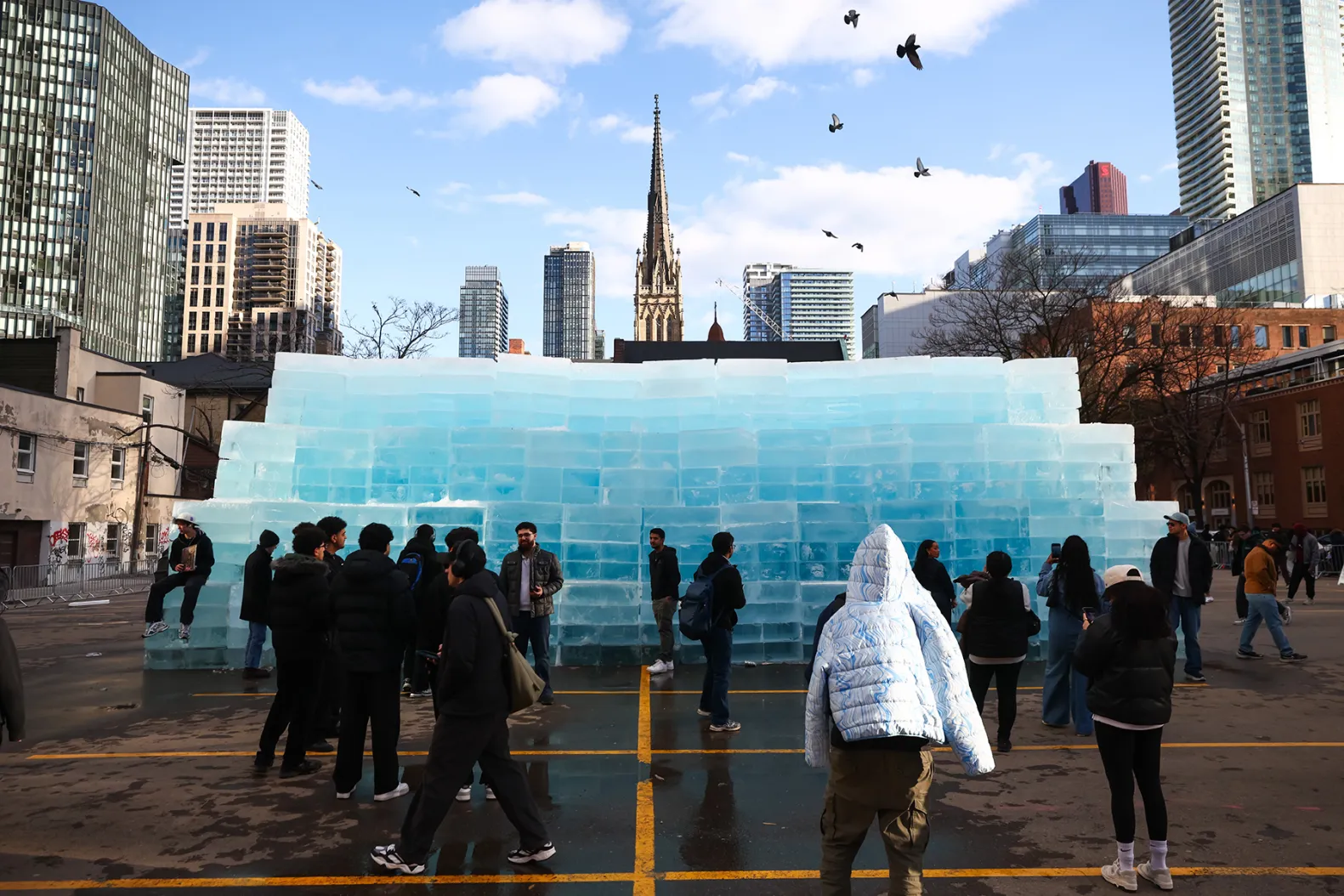
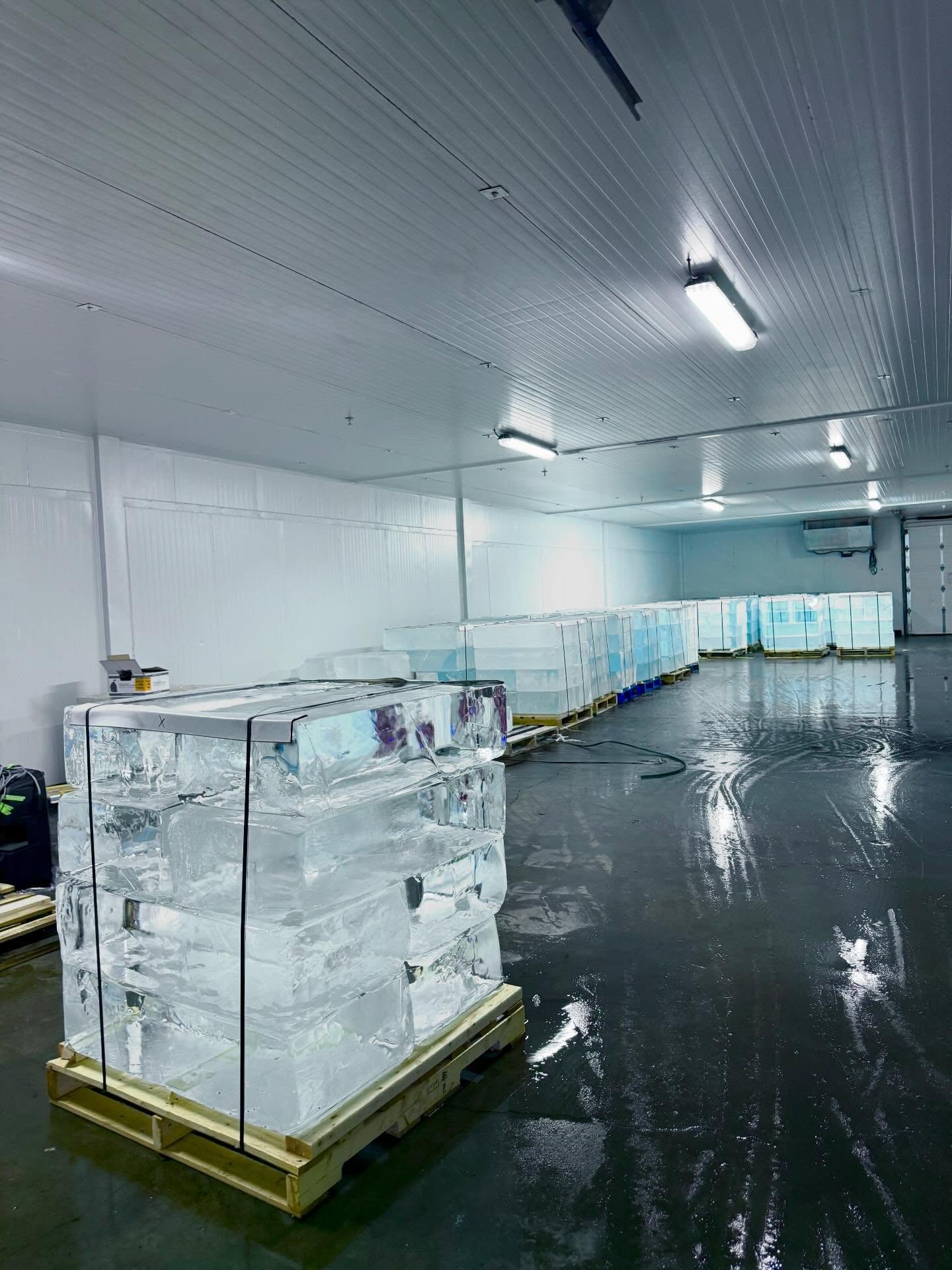
A culture-defining stunt that stopped Toronto in its tracks and set the internet on fire. One million pounds of ice. Thirty hours to build it. Four million likes in forty-eight.
When Drake's team came to Mawg with the brief — a massive ice structure, downtown Toronto, in under two days — we said yes before the sentence was finished. That's what we do.
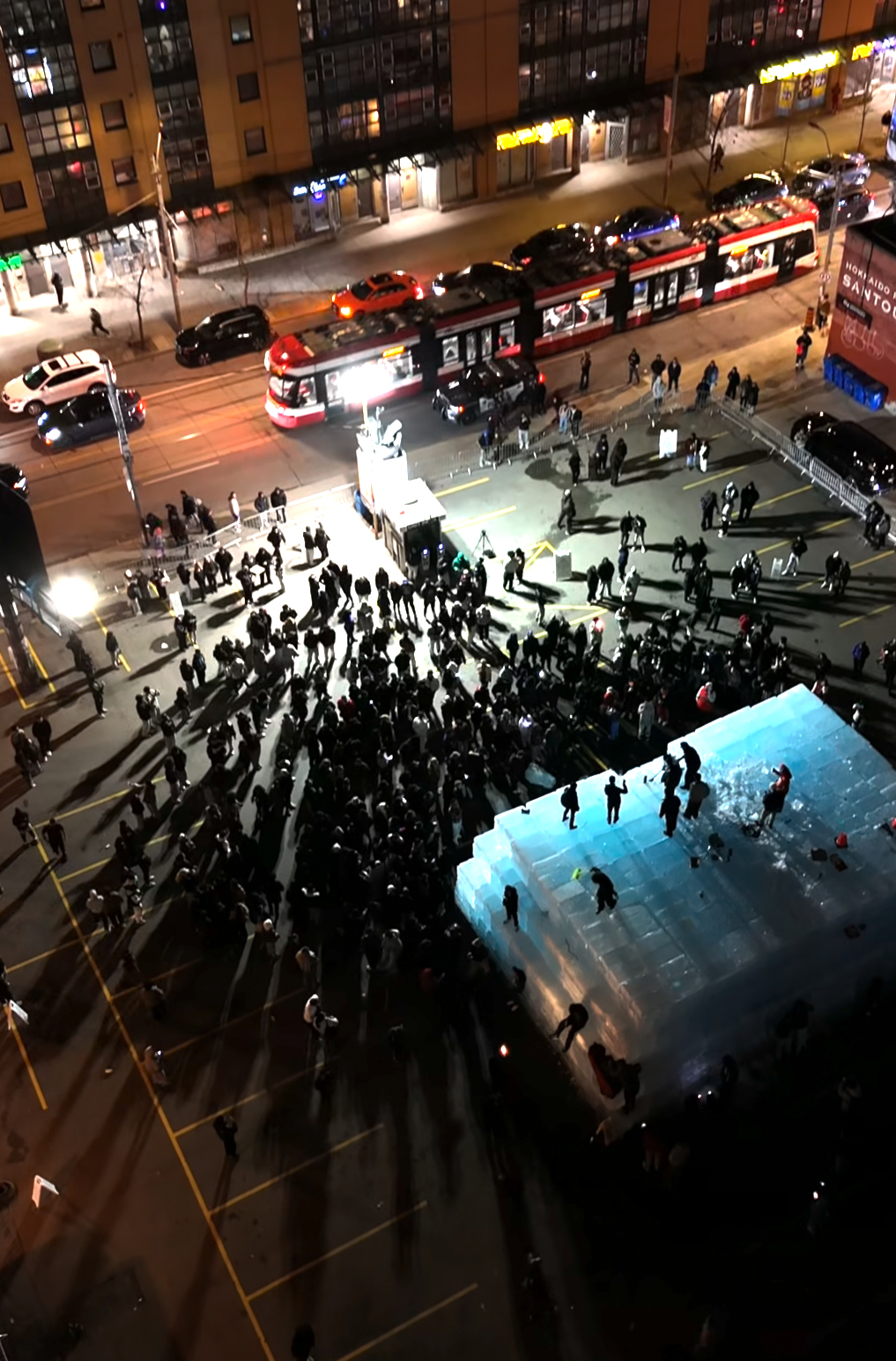
Working through the night at 81 Bond Street, our team engineered, transported, and assembled one million pounds of ice into a structure nearly nine metres across and four metres high. Hidden at its core: a sealed blue bag containing the release date of Iceman. The clock was already ticking before the city woke up.
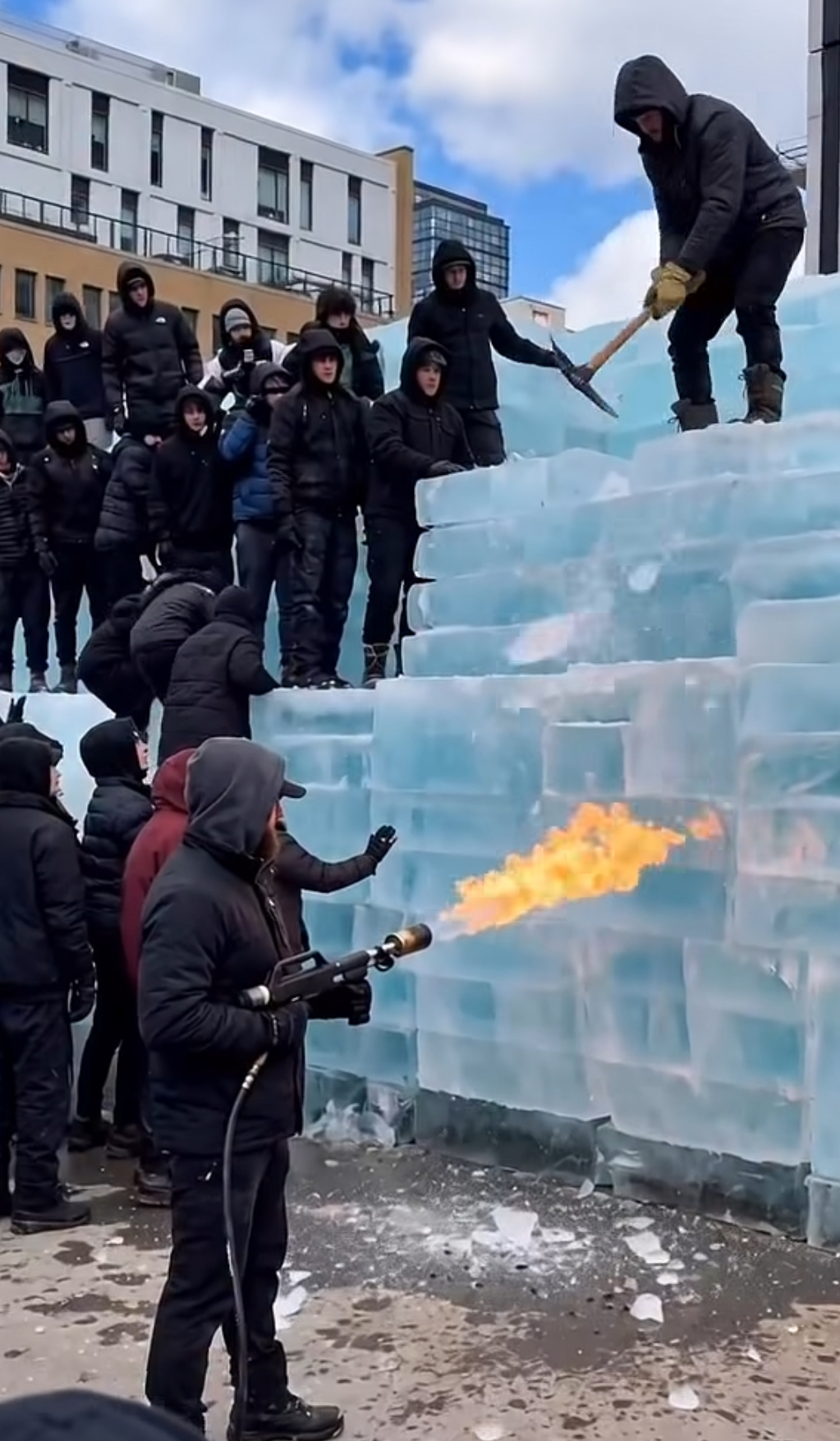
Drake posted the GPS coordinates on Instagram — no caption beyond "Release date inside" — and within hours, hundreds of fans descended on Bond Street with sledgehammers, blowtorches, and ice picks. By midnight, approximately 800 people surrounded the structure, drawing officers from three police divisions for crowd and traffic control.
The energy was unlike anything the city had seen. Fans formed impromptu teams, chipping away at a literal monument to one of music's most-anticipated albums. The spectacle was raw, unscripted, and entirely real — exactly the kind of moment great experiential design creates.
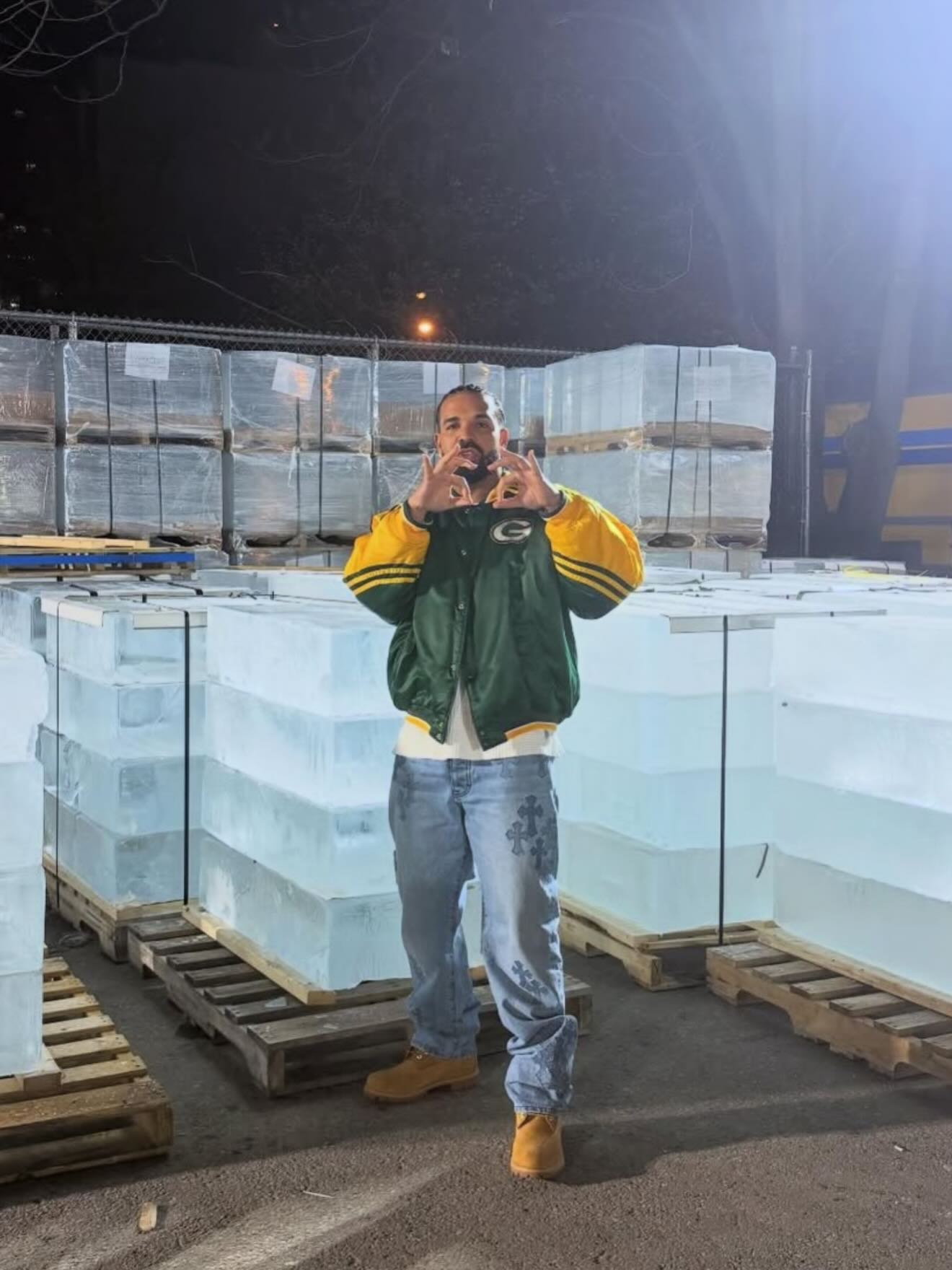
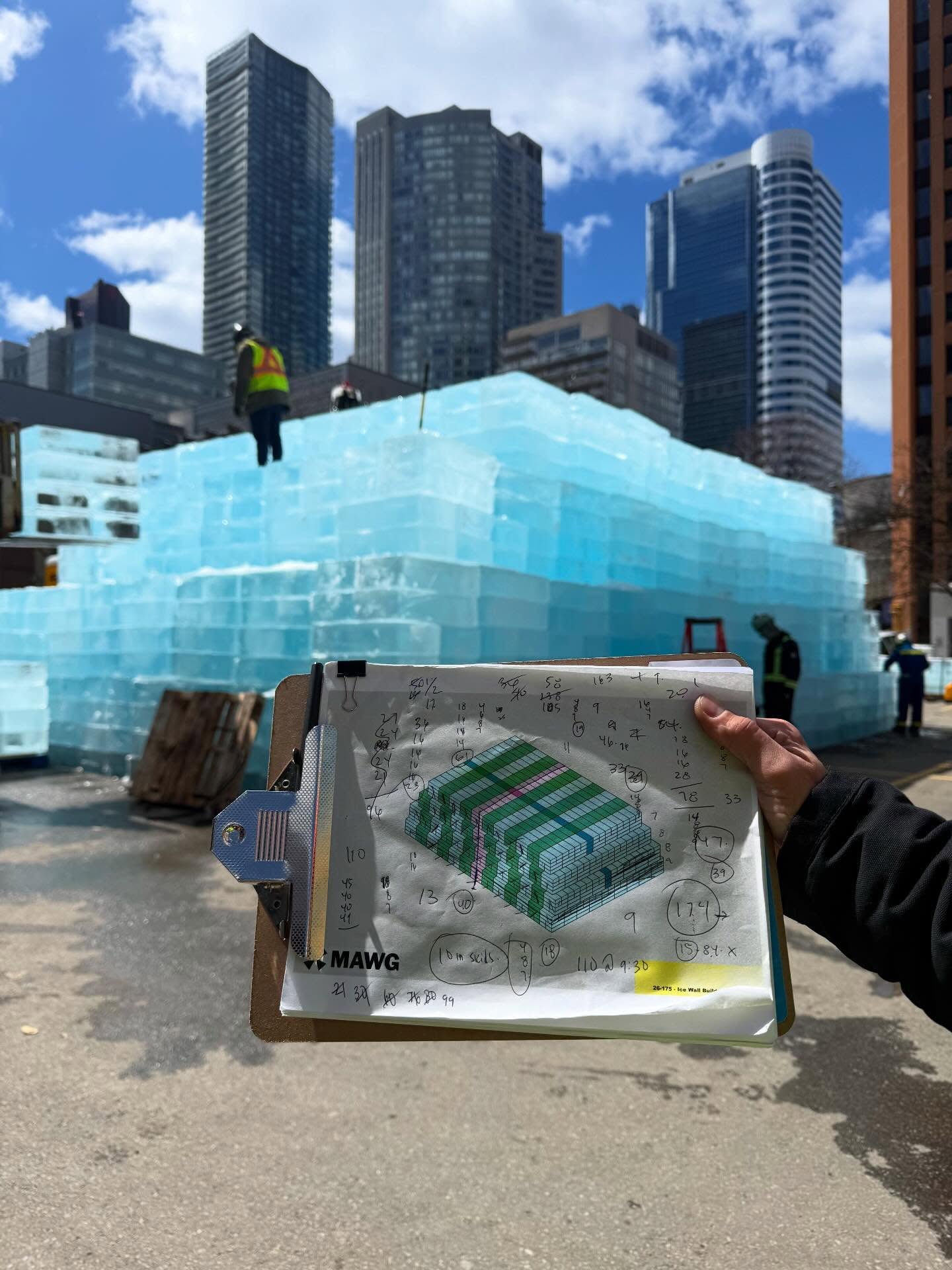
When a streamer finally broke through and retrieved the blue bag — revealing the release date as May 15, 2026 — the clip ricocheted across social media within minutes. Drake's Instagram post alone had already crossed four million likes in 48 hours, and the total reach of the stunt across platforms stretched into the hundreds of millions. Coverage rolled in from CBC, Billboard Canada, Rolling Stone, TMZ, and outlets across six continents.
What started as a block of ice became a cultural moment — one that proved experiential activations, done with ambition and executed flawlessly, can still cut through anything. Even in 2026. Especially in 2026.
More work